
How Coral Springs Is Trying to Reduce Emergency Response Time to Seconds |
Emergency response has traditionally depended on one thing above all else:
Getting personnel to the scene as quickly as possible.
But increasingly, cities are also focusing on something that happens before responders arrive.
Visibility.
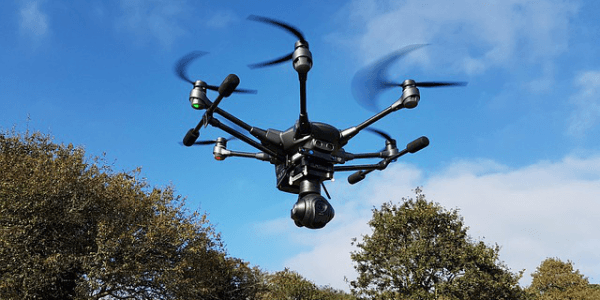
That’s part of the thinking behind Coral Springs’ recent approval of a major expansion to its emergency drone program.
A Different Kind of Response Time
The city recently approved more than $760,000 for new drones, docking stations, and related systems designed to support police and fire response operations.
According to Coral Springs Police Chief Brad Mock, the system is designed to place drones over emergency scenes within roughly 30 to 40 seconds after a 911 call is received.
That dramatically changes how quickly responders can begin understanding what is happening at a scene.
What Most People Don’t Notice
In emergency situations, responders often arrive with limited information.
A missing child near a canal.
A person with dementia who wandered away.
A vehicle submerged in water.
A subject fleeing through a neighborhood.
Traditionally, officers and firefighters would need to physically search those environments before fully assessing the situation.
The new system is designed to shorten that gap between dispatch and visibility.
Rather than waiting for personnel to arrive and begin searching manually, drones can quickly provide aerial views and real-time information while responders are still en route.
Why This Matters in South Florida
In Coral Springs, geography itself makes response time especially important.
Canals, lakes, retention ponds, pools, and large park systems create environments where visibility can become difficult quickly, especially at night or during emergencies involving children, water, or medical distress.
That’s one reason city officials emphasized the system’s role in situations involving:
* missing children
In those cases, reducing uncertainty even slightly can affect how resources are deployed and how quickly responders act.
More Than Just Technology
The expansion also reflects a broader direction emerging in emergency response systems nationwide.
Increasingly, the goal is no longer only arriving faster.
It’s understanding situations sooner.
Real-time aerial visibility allows responders to begin making decisions almost immediately rather than waiting until personnel physically reach a scene.
For residents, most of this technology will likely remain invisible during normal daily life.
But during emergencies, the difference between searching and seeing can increasingly come down to seconds.
----------
Editor’s note: This piece was selected and adapted for Coral Springs Insider to provide local context and perspective on an issue relevant to our community.
|
0 Comments
Join the conversation
Be the first to comment
Share your thoughts above.