
How an Old Fire Station Became a New Gathering Space in Coral Springs |
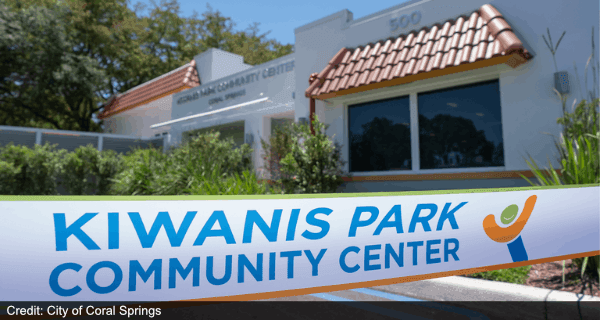
Some buildings serve one purpose for decades.Then, over time, that purpose no longer fits how a community uses space.
In Coral Springs, a former fire station has taken on a new role.
A Familiar Structure, Reworked
Originally opened in 1977 as Fire Station 2, the building served the surrounding area for years before a newer station was built nearby.
Rather than leaving the structure unused, the city converted it into a community center designed for everyday activity.
The updated space now includes a lounge area, kitchen, indoor gym, meeting rooms, and outdoor gathering areas.
What Most People Don’t Notice
Projects like this often look like renovations on the surface. But the more important change is how the space is used.
Instead of responding to emergencies, the building now supports daily routines—exercise, classes, small events, and informal gatherings.
That change reflects how communities make use of existing infrastructure over time.
When Purpose Changes, Use Follows
If you’ve ever revisited a place that’s been redesigned, you’ve likely noticed how different it feels—even when the structure remains the same.
Layout, access, and amenities all influence whether people stop in briefly or stay longer.
In this case, the goal is to create a space that fits into regular routines, not just occasional visits.
Why This Matters Over Time
Reworking existing buildings can shape how neighborhoods evolve without starting from scratch.
It allows cities to respond to changing needs while maintaining a connection to what was already there.
You may not think about a building’s previous purpose when you walk inside.
But that history often plays a role in how the space continues to serve the community.
----------
Editor’s note: This piece was selected and adapted for Coral Springs Insider to provide local context and perspective on an issue relevant to our community.
|
0 Comments
Join the conversation
Be the first to comment
Share your thoughts above.