
Inside Coral Springs’ $205 Million Plan to Modernize Its Water System |
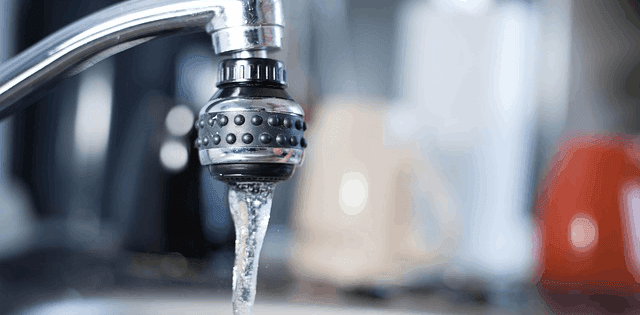
Most residents never think about what happens before water reaches their tap — and that’s usually a sign that the system is working.
Earlier this month, the Coral Springs City Commission approved a decade-long infrastructure plan that reinforces that expectation.
The initiative spans 10 years, carries an estimated cost of $205 million, and focuses on modernizing the city’s water system well before emerging risks become everyday problems.
Planning for Risks That Haven’t Reached the Faucet
The largest piece of the plan is a $150 million overhaul of Coral Springs’ water treatment system, including a shift to advanced nanofiltration technology designed to remove PFAS — often called “forever chemicals” — from drinking water.
PFAS are synthetic compounds that have been used for decades in products designed to resist heat, grease, and water. Their durability, once considered an asset, has become a growing concern as studies increasingly link long-term exposure to health risks.
Because PFAS don’t easily break down, removing them requires treatment systems that many older facilities were never designed to handle.
Rather than waiting for regulatory pressure or emergency conditions, Coral Springs is redesigning its treatment process years in advance — upgrading wells, treatment capacity, and filtration standards as part of one coordinated system.
A Long View on Water Use
The plan also lowers baseline water consumption across two of the city’s three water-use districts, aligning treatment capacity with projected demand through the next decade.
It’s a subtle shift, but an important one: infrastructure isn’t just about producing more — it’s about producing smarter.
Taken together, the investment reflects a philosophy residents rarely see directly: protect the system early so daily life stays uninterrupted later.
The Same Thinking, Applied Elsewhere
That same systems-first approach shows up beyond water.
As part of the broader quality-of-life investments approved this month, the city also authorized a $2 million upgrade to LED lighting at several major parks and athletic facilities, including Riverside Park, Mullins Park, and Turtle Run Park, with work expected over the next two years.
Many of the existing fixtures are more than 20 years old, well past their typical lifespan.
Rather than replacing lights one park at a time, the city shifted to a flexible spending framework that allows crews to modernize multiple locations efficiently, reduce service interruptions, and cut long-term maintenance costs.
It’s not a headline project. But it’s the kind of change residents notice only when it isn’t done — dim fields, delayed repairs, and uneven access.
Why This Matters — Even If You Never Notice
None of these projects are designed to be visible on a daily basis. That’s the point.
Water that tastes the same. Parks that stay well-lit. Systems that don’t fail under pressure. Together, they form the invisible layer that allows a city to function smoothly while residents focus on everything else.
The $205 million plan isn’t about a single upgrade. It’s about reinforcing the idea that good infrastructure doesn’t announce itself — it just works.
----------
Editor’s note: This piece was selected and adapted for Coral Springs Insider to provide local context and perspective on an issue relevant to our community. |
0 Comments
Join the conversation
Be the first to comment
Share your thoughts above.