
How Faster Emergency Care Often Depends on What Happens Behind the Scenes |
When people think about emergency care, they usually focus on doctors, nurses, or ambulances arriving quickly.
What they don’t always see are the smaller systems working in the background that affect how efficiently everything moves once a patient arrives.
At Broward Health Coral Springs, two recent upgrades point directly to that idea.
A Focus on Speed and Flow
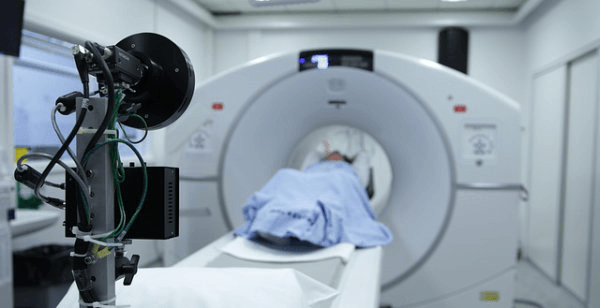
The hospital recently added a new CT scanner inside its emergency department, designed to produce faster, higher-resolution imaging with lower radiation exposure.
Because the scanner is located directly in the ER, patients can often move through imaging more quickly during time-sensitive situations. That may sound like a technical improvement.
But in emergency medicine, time spent waiting for answers can shape everything that follows.
What Most People Don’t Notice
The hospital also renovated a breakroom used by EMS crews. At first glance, that may seem unrelated to patient care.
But first responders often move from one high-stress call directly into the next, sometimes with little time to reset between them.
A dedicated space to complete paperwork, recharge briefly, or regroup before returning to service can affect how quickly crews are ready for the next emergency.
When Small Delays Add Up
Many healthcare improvements happen quietly.
They’re not always visible to patients walking through the doors.
But small reductions in friction—whether during imaging, communication, or response preparation—can influence how smoothly care unfolds during urgent moments.
That’s especially true in emergency settings, where efficiency often matters as much as equipment itself.
Why This Matters Over Time
Hospitals are increasingly looking beyond major expansions and focusing more on operational flow.
The goal isn’t always to make healthcare look different from the outside. Sometimes it’s to make critical moments move more smoothly once they begin.
You may never notice those systems directly.
But when emergencies happen, they often shape the experience in ways people only recognize afterward.
----------
Editor’s note: This piece was selected and adapted for Coral Springs Insider to provide local context and perspective on an issue relevant to our community.
|
0 Comments
Join the conversation
Be the first to comment
Share your thoughts above.