
When a Downtown Stops Being an Experiment |
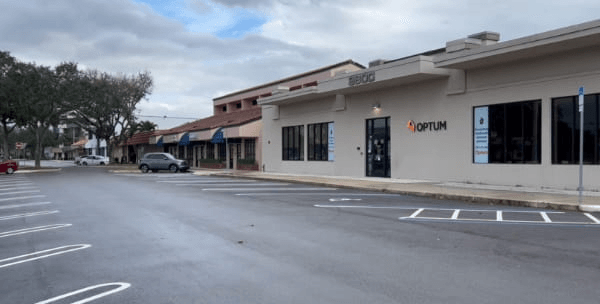
For much of Coral Springs' history, downtown existed more as an aspiration than a destination.
City leaders spent years discussing how to create a recognizable center for a community that developed like many South Florida suburbs: spread across neighborhoods, shopping centers, parks, schools, and major roadways rather than focused around a traditional downtown district.
That effort began taking shape around the intersection of Sample Road and University Drive. Residential projects arrived. New businesses followed. Investment increased.
Now Coral Springs is approaching a different moment.
A proposal under consideration would expand downtown mixed-use zoning across more than 58 acres west of Coral Hills Drive, extending portions of the district along Sample Road, University Drive, and areas near Broward Health Coral Springs.
The proposal itself is technical. It involves zoning categories, permitted uses, redevelopment standards, and building regulations.
But the more interesting story sits beneath those details.
The Downtown Question Has Changed
For years, the question was simple: Can Coral Springs create a successful downtown?
The city appears to have its answer.
According to city officials, the existing downtown mixed-use district has helped generate more than 1,500 residential units that are approved or under review, along with more than $130 million in taxable value growth since 2018.
Whether residents support every project or not, the district has demonstrated that private investment is willing to follow the downtown vision.
That changes the conversation.
The next question is not whether downtown works. It's how large a role downtown should play in the city's future.
More Than Housing and Restaurants
One of the more overlooked aspects of the proposal is the variety of uses being added.
In addition to supporting future redevelopment, the plan introduces opportunities for research and development operations, small-scale manufacturing, e-commerce businesses, and micro-warehouse uses in portions of the district.
That may sound like a minor zoning detail. In reality, it suggests a broader ambition.
The vision is no longer limited to creating a place where people live, eat, and shop. It increasingly includes places where people work, create, innovate, and conduct business. That distinction matters.
Many suburban downtowns struggle because they become active primarily during evenings and weekends. The strongest districts tend to support multiple purposes throughout the day, creating a steadier flow of activity and economic life.
A Different Kind of Suburban Center
Coral Springs was designed around mobility and convenience.
Residents can reach parks, schools, grocery stores, restaurants, and services without needing a central gathering place.
For decades, that model worked well. But expectations about community life have changed.
Many residents increasingly value walkable destinations, mixed-use environments, and places where multiple activities occur in close proximity. They want options beyond driving from one isolated destination to another.
That does not mean Coral Springs is becoming an urban city.
It does suggest that the community is exploring how a suburban downtown can complement the lifestyle residents already enjoy. The proposed expansion reflects that ongoing adjustment.
What Becomes Possible
The long-term significance of the proposal may have less to do with any individual building and more to do with what becomes possible over time.
Zoning rarely creates change by itself. Instead, it creates opportunities.
Property owners are not required to redevelop their sites. Existing buildings can remain exactly as they are. The new rules generally matter when owners choose to substantially expand or redevelop properties in the future.
That means the effects could unfold gradually across many years. Yet those gradual decisions often shape communities in lasting ways.
The places where residents gather, businesses invest, and people spend time are often determined long before individual projects are proposed.
Those decisions begin with the framework a city establishes.
Beyond the Vote
The upcoming hearings will focus on technical questions.
Building heights.
Permitted uses.
Redevelopment standards.
Traffic.
Compatibility.
Those conversations matter.
But residents may also want to pay attention to a larger question. If the first chapter of downtown Coral Springs was about proving a downtown could exist, the next chapter may be about defining what kind of downtown it becomes.
That is ultimately a conversation about community identity.
Twenty-five years ago, Coral Springs set out to build a downtown from scratch.
Today, the city appears to be deciding how central that downtown should become to the next generation of Coral Springs life.
----------
Editor’s note: This piece was selected and adapted for Coral Springs Insider to provide local context and perspective on an issue relevant to our community.
|
0 Comments
Join the conversation
Be the first to comment
Share your thoughts above.