
What Becomes Possible When a Sports Complex Does More Than Sports |
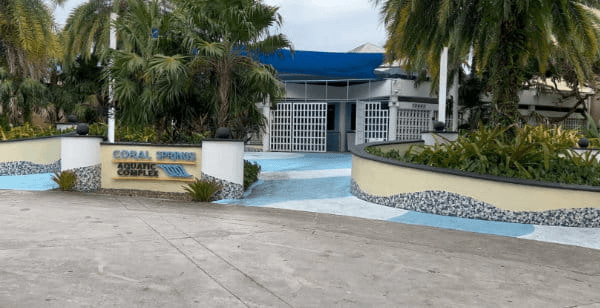
When Coral Springs officials selected PBK Architects to lead the design of the city's planned Sportsplex redevelopment, most of the attention focused on renderings, amenities, and the next steps in the approval process.
That is understandable.
The project carries a projected price tag exceeding $153 million and could become one of the most significant public investments in the city's recent history.
But the architect selection itself may not be the most interesting part of the story.
The more revealing question is what kind of place Coral Springs is trying to create.
More Than a Recreation Facility
For decades, public recreation projects followed a fairly straightforward model.
Cities built parks, fields, pools, and gyms primarily for local residents. Success was measured by participation and access.
The Sportsplex vision appears to be operating on a broader set of goals.
City discussions have emphasized tournaments, event hosting, visitor experiences, revenue generation, and even the possibility of nearby hotel development.
Early concepts have included a large gymnasium, upgraded aquatic facilities, event spaces, and gathering areas designed to accommodate more than everyday recreational use.
Taken together, those elements suggest something different from a traditional sports complex.
They suggest the creation of a destination.
What Becomes Possible
When communities invest in destination-style facilities, the impact extends beyond sports.
A weekend tournament can bring hundreds of visitors into local restaurants and shops. Event facilities can create new reasons for residents to gather close to home. Families spend less time driving elsewhere for competitions, activities, or special events.
The facility itself becomes only part of the story.
What matters is the activity it enables.
A large public space can create recurring opportunities for connection, participation, and shared experiences. Those moments often become part of the community's routine.
Parents spend weekends there. Grandparents attend events. Residents volunteer. Visitors discover the city.
Over time, those experiences help define how a community feels.
The Overlooked Piece
Large public projects are often discussed in terms of cost.
That conversation is important. But another question deserves attention:
What role should public spaces play in community life?
The Sportsplex redevelopment reflects a growing recognition among cities that residents increasingly expect experiences, not just infrastructure.
People want places where recreation, entertainment, social connection, and community life overlap.
That expectation is changing how cities think about public investments. The proposed features discussed by city leaders reflect that broader trend.
The focus extends beyond fields and courts to visitor experience, gathering spaces, aesthetics, sustainability, and amenities designed to encourage people to stay longer and engage more deeply with the space.
Why This Matters Over Time
Whether the final project looks exactly like today's concepts remains to be seen.
Designs evolve. Budgets change. Community priorities continue to be debated.
But the larger signal is already visible. Coral Springs appears to be positioning itself for a future in which recreation serves multiple purposes simultaneously.
It can support youth athletics.
It can create gathering spaces.
It can attract visitors.
It can contribute to economic activity.
And it can strengthen the routines and experiences that help residents feel connected to where they live.
That may ultimately be the most important part of the Sportsplex story.
Not the architect. Not the renderings. Not even the final construction.
The bigger story is what the project reveals about how Coral Springs sees its future and the kind of community experience it hopes to create.
----------
Editor’s note: This piece was selected and adapted for Coral Springs Insider to provide local context and perspective on an issue relevant to our community.
|
0 Comments
Join the conversation
Be the first to comment
Share your thoughts above.