
Why Coral Springs Police Want to Ban Crypto ATMs |
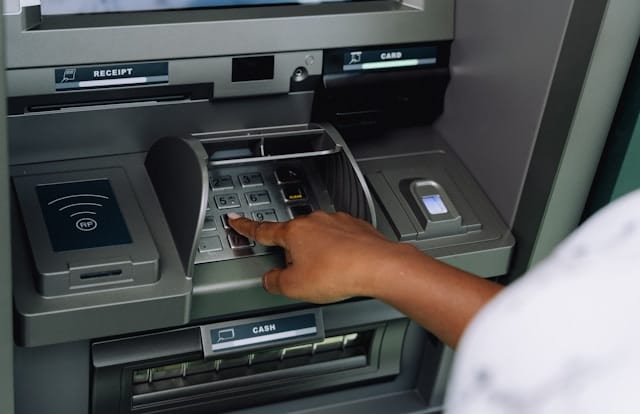
After 26 residents reportedly lost more than $320,000 in cryptocurrency scams, police and Florida lawmakers are focusing on one of the last moments when a fraudulent transaction might still be interrupted.
A scammer calls someone in Coral Springs. Maybe the caller claims to be with law enforcement. Or a federal agency. Or says there's a problem with a bank account or a family member.
Something urgent has happened. Money needs to move.
The person receiving the call believes it.
At that point, it might seem as though the scam has already succeeded. But there's another question worth asking:
Has the money actually been lost yet?
Increasingly, efforts to prevent cryptocurrency scams are focusing on what happens during that gap.
From a Phone Call to a Machine
Coral Springs Police documented at least 26 cryptocurrency scam victims from 2024 through 2026, according to police documents reported by Coral Springs News.
Collectively, those victims lost more than $320,000.
About 54% were over age 60, although victims ranged in age down to their 20s.
The scams varied, but police identified a recurring process. Someone posing as an authority figure contacts the victim and creates urgency or fear.
The victim is instructed to withdraw cash. Then comes the unusual part.
The scammer directs the victim to a cryptocurrency ATM, where the cash can be converted into Bitcoin or another cryptocurrency and sent to a digital wallet using information provided by the scammer.
Once that happens, police say recovering the money becomes difficult. That's what makes the machine important.
It can sit near the end of a fraud that began somewhere else entirely.
The Scam May Have Worked Before the Money Moves
Most scam-prevention advice focuses on the beginning.
Don't trust an unsolicited caller. Don't click suspicious links. Don't provide personal information. Don't send money to someone you don't know.
All of that remains important. But those warnings depend on someone recognizing the scam before believing it.
The Coral Springs cases illustrate another possibility. What if the person doesn't?
There can still be a period between believing the scammer and completing the financial transaction.
The victim may have to visit a bank. Withdraw cash. Travel somewhere. Find a cryptocurrency kiosk. Follow instructions. Scan a code. Insert the money.
Each additional step creates something fraud-prevention experts increasingly value: friction.
Friction creates another opportunity for someone — or something — to interrupt the transaction.
Florida Is About to Add More Friction
Beginning in January, Florida will impose new requirements on businesses operating virtual-currency kiosks.
Before a transaction begins, customers will have to be asked whether they've already used another crypto kiosk that day and how much they transacted.
The machines will also have to display a conspicuous fraud warning.
That warning specifically addresses a pattern remarkably similar to the one Coral Springs Police has reported: a stranger claiming to be a government agent, bill collector or law-enforcement officer directing someone to use the machine.
Florida will also limit new customers to $2,000 in transactions per day.
Existing customers — defined under the law as those who have transacted with the kiosk business for at least seven days — will be limited to $10,000 per day.
Those limits apply across multiple transactions and multiple kiosks operated by the same business.
The idea isn't to determine whether every customer is being scammed. It's to make it harder for a large amount of money to disappear through a single hurried decision.
When a Warning Arrives at the Last Possible Moment
The location of the warning is significant. Someone standing at a cryptocurrency kiosk may already have ignored earlier warning signs.
They may believe the person on the phone. They may have gone to the bank. They may be holding the cash.
And then the machine effectively asks them to reconsider.
Were you sent here by someone you don't know? Is that person claiming to be law enforcement or a government official?
If so, stop.
That's very different from a general public-awareness campaign.
It places the warning directly inside the transaction the scammer is trying to complete. Whether it will be enough is another question.
Why Coral Springs Police Wants to Go Further
According to documents reported by Coral Springs News, Coral Springs Police has advocated prohibiting crypto ATM kiosks in the city altogether.
Police estimate there are between 13 and 16 of the machines in Coral Springs.
The local cases help explain the department's concern. One 75-year-old victim reportedly lost $45,000 across two transactions.
Another victim, age 78, lost $14,380 over eight transactions. And in 42% of the cryptocurrency scam cases documented by police, victims reportedly visited multiple machines.
Those examples should not be used to conclude that Florida's new law would have prevented the losses.
The law wasn't in effect when those transactions occurred, and publicly available information does not establish whether the transactions occurred on the same day, involved the same kiosk operator or would otherwise have been blocked by the new limits.
But the cases demonstrate why the point where cash enters a crypto kiosk has attracted attention.
By then, the deception may have succeeded. The transfer may not have.
Regulation or Removal?
Florida and Coral Springs Police appear to be approaching the same problem from different directions. The state is allowing the machines while adding safeguards around their use.
That includes warnings, transaction limits, receipts and a limited refund provision for victims of fraud.
Under the new law, a kiosk business must provide a full refund for a customer's first fraudulent virtual-currency transaction when certain conditions are met, including timely notification to the kiosk business and law enforcement and proof of the alleged fraud.
Coral Springs Police, according to the local reporting, wants to go further by removing the machines from the city.
Those approaches raise a broader question that extends beyond cryptocurrency:
How much protection should occur before someone makes a financial decision, and how much should be built into the transaction itself?
Protection After Someone Believes the Lie
Scammers depend on speed. Fear helps. Authority helps. Urgency helps.
The less time someone has to question what they're being told, the easier it can be to keep them moving toward the transaction.
That makes delay unexpectedly useful.
A bank employee asking a question can create delay. Calling a family member can create delay. A transaction limit can create delay. A warning appearing on a machine can create delay.
Even having to stop and explain why someone is withdrawing a large amount of cash can create a moment in which the story begins to sound different.
None of those measures guarantees someone will recognize a scam. But they don't necessarily have to.
Sometimes they only need to create enough time for doubt to arrive.
The Last Opportunity May Be Offline
Cryptocurrency sounds inherently digital.
These scams often aren't.
A victim may begin with a phone call, walk into a bank, drive along familiar Coral Springs roads and stand in front of a physical machine while the scammer remains somewhere else.
That's what makes the local debate over crypto ATMs more than a debate about cryptocurrency. It illustrates how scam prevention is changing.
Education still matters.
Recognizing the lie early is still the best outcome. But protection doesn't have to end simply because someone believed the lie.
There may still be another opportunity at the bank, during the drive, on the screen or at the machine.
Sometimes stopping a scam isn't about catching the lie first. It's about creating one more chance to stop the money before it's gone.
Have you noticed a warning or other safeguard that made you stop and reconsider a financial transaction? What kind of protection do you think is most useful before money is sent?
Tell us below.
Editor’s note: This piece was selected and adapted for Coral Springs Insider to provide local context and perspective on an issue relevant to our community.
|
0 Comments
Join the conversation
Be the first to comment
Share your thoughts above.