
The Rising Cost of Keeping Kids in the Game |
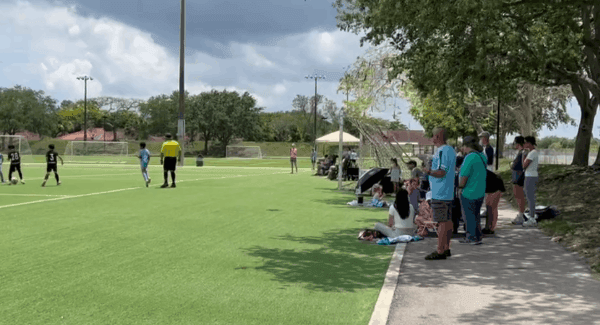
Conversations about parks and recreation budgets often begin with numbers.
Registration fees. Field maintenance. Facility costs. Operating budgets.
Those details matter, but they rarely explain why these discussions generate such strong reactions from families.
A recent debate in Coral Springs over increased youth sports fees illustrates why.
City officials approved an updated fee schedule after a lengthy review of user fees across multiple departments. According to the city, most recreation costs remain heavily subsidized, with participant fees recovering only a small portion of the actual expense of maintaining fields, courts, and facilities.
Youth sports organizations, however, see another side of the equation.
League leaders worry that even relatively modest increases, when multiplied across multiple children, sports, and seasons, can eventually make organized recreation less affordable for some families.
Both perspectives focus on costs. The larger question is about value.
Recreation Is More Than Recreation
When people think about youth sports, they often picture games, practices, and weekend tournaments.
Communities experience something much broader.
Recreation creates routines.
Parents spend evenings at neighborhood parks. Children build friendships over months and sometimes years. Volunteer coaches become mentors. Families meet other families they might never have encountered otherwise.
These experiences create relationships that extend well beyond the final whistle.
The benefits are difficult to measure on a balance sheet, but they become part of the social fabric that helps communities feel connected.
Participation Has Long-Term Value
Organized recreation also introduces children to something increasingly valuable in modern life: consistent participation.
Showing up.
Working with teammates.
Learning responsibility.
Handling disappointment.
Celebrating improvement.
These experiences help build confidence in ways that often continue into adulthood.
Not every child who plays youth sports becomes a competitive athlete.
That has never been the primary purpose.
The greater value often comes from belonging to something larger than themselves while developing healthy routines that encourage physical activity, teamwork, and resilience.
The Challenge Communities Face
The Coral Springs discussion also reflects a challenge many cities continue to navigate.
Facilities require maintenance.
Fields need irrigation.
Gyms require staffing.
Insurance, utilities, equipment, and maintenance costs continue to rise.
Communities must decide how those expenses should be shared between taxpayers and the families who directly use recreation programs.
There is rarely a perfect answer.
Charge too little, and the financial burden shifts more heavily onto the general community.
Charge too much, and participation can become more difficult for some families.
The conversation is not simply about balancing budgets. It is about balancing access.
Looking Beyond the Numbers
One statement from the city's explanation stands out.
Officials noted that recreation programs continue to receive significant support because they provide "a broader community benefit."
That phrase deserves attention.
The broader benefit is not limited to healthier children or successful sports programs.
It includes stronger neighborhoods. More active public spaces. Volunteer engagement. Parent connections. Shared community experiences.
These are the kinds of investments that often become visible only when participation begins to decline.
Why It Matters
Communities are built through thousands of everyday experiences that rarely make headlines.
An evening practice.
Parents talking from folding chairs.
Children learning to encourage teammates.
Volunteer coaches giving their time after work.
Those moments create habits, relationships, and a sense of belonging that extend well beyond sports.
Whether recreation fees should increase is ultimately a policy question.
The broader question is one every community eventually faces.
How do we continue investing in opportunities that help children participate, families connect, and neighborhoods remain engaged while responsibly managing the real costs of providing those opportunities?
That conversation reaches far beyond any single season or registration form.
----------
Editor’s note: This piece was selected and adapted for Coral Springs Insider to provide local context and perspective on an issue relevant to our community. |
0 Comments
Join the conversation
Be the first to comment
Share your thoughts above.