
Why Coral Springs Is Changing the Rules for What Downtown Can Become |
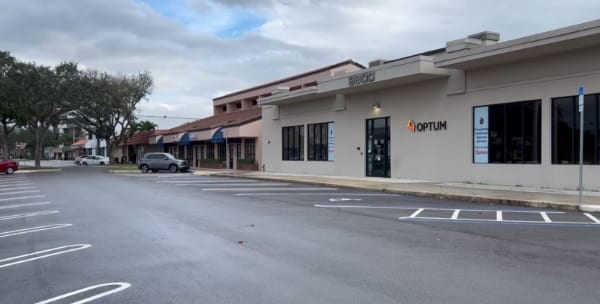
New zoning doesn't require familiar properties along Sample Road and University Drive to redevelop. But it changes what their owners will be allowed to build if they eventually do.
For years, the changing face of downtown Coral Springs has been easiest to recognize by looking at something new.
A major development rises. Apartments appear. Restaurants open. Plans emerge for other properties.
But the next phase of downtown's evolution may be less obvious. On Sept. 2, Coral Springs changed the zoning governing a larger collection of existing properties along Sample Road and University Drive.
The buildings didn't change when the vote occurred. The possibilities for what some of them could eventually become did.
Start With Places You Already Know
The affected area includes some highly recognizable Coral Springs properties and businesses.
Among them are the Promenade and Colonial Plaza shopping centers and properties containing familiar destinations such as Wings Plus, The Cook and the Cork, Runyon's, La Quinta Inn & Suites and the Belle Terre business center.
The new Downtown Mixed-Use zoning expands the types of businesses and development that can be accommodated within the district.
Depending on location and other requirements, the rules allow features including taller buildings, sidewalk cafés, pedestrian and single-lane alleys and storefronts positioned closer to the property line.
The city has described the previous collection of zoning classifications as a patchwork that created barriers to redevelopment.
That makes this change different from announcing another downtown project.
Instead of deciding what will be built on one property, Coral Springs has changed the rules governing what a much larger group of properties may become over time.
What Zoning Changes — and What It Doesn't
There's an important distinction here. Rezoning a shopping center does not mean the shopping center is going away.
Allowing an eight-story building does not mean an eight-story building has been proposed. And permitting sidewalk cafés or mixed uses does not guarantee they will appear.
Zoning establishes what is allowed.
Property owners and developers still have to decide whether redevelopment makes financial and practical sense, propose projects and go through whatever approval processes apply.
That means residents could drive through this part of Coral Springs tomorrow and see exactly what they saw yesterday. But the long-term possibilities have changed.
For a mature city, that can be consequential.
A Downtown Built From a Suburban Landscape
Coral Springs faces a challenge that is easy to overlook when people talk about creating a downtown.
The city isn't rebuilding around a traditional historic main street.
Much of Coral Springs developed around the suburban patterns familiar throughout South Florida: wide roads, shopping centers, large parking areas and businesses separated from the street.
That worked for the city Coral Springs was becoming decades ago. Creating a more walkable downtown within that landscape requires something different.
The city's planning documents call for a pedestrian-oriented downtown with better connections among buildings, parking, sidewalks, bicycles and transit.
The newly approved zoning helps make some of those physical changes possible.
Storefronts can move closer to the street in certain areas. Additional space can be created along Sample Road and Northwest 33rd Street for sidewalk cafés, landscaping and public art.
Different commercial uses can occupy the district. And some properties can accommodate substantially more development than before.
None of those individual changes creates a downtown by itself.
Together, however, they change the choices available when an existing property owner eventually decides it's time to do something different.
Why Eight Stories Isn't the Whole Story
Much of the immediate attention around the zoning change is likely to focus on building height.
Some mid-rise general lots can accommodate buildings up to eight stories, while properties closer to single-family neighborhoods have lower limits.
Those neighborhood limits were reduced following resident feedback, with buildings near some single-family areas limited to between two and four stories.
State law also affects what Coral Springs can control.
Florida's Live Local Act places requirements on local governments for qualifying housing developments, including provisions affecting height and other development standards. The height of existing buildings in the surrounding area can influence what must be permitted.
In downtown Coral Springs, the Modera apartment development at Cornerstone has become part of that calculation. But focusing only on height misses the broader change.
The city isn't simply deciding how tall a future building can be.
It's replacing a collection of older zoning rules with a framework intended to allow more of the district to develop in a similar way.
From Individual Projects to an Evolving District
That distinction matters because the most visible pieces of downtown redevelopment so far have largely been individual projects.
Residents can point to a construction site and see change happening. Zoning works differently.
Its effects can remain invisible for years.
One property might redevelop. Another might remain essentially unchanged. A shopping center could gain a new use without being rebuilt. Another owner could eventually conclude that the land underneath an aging commercial property is more valuable when used differently.
There is no guarantee about which of those things will happen. That's precisely why the Sept. 2 decision shouldn't be read as a map of future construction.
It's a map of future possibilities.
When an Old Shopping Center Gets New Options
This is where the zoning change becomes relevant even to residents who have little interest in zoning.
Coral Springs is a mature city. Much of the land along its major roads was developed long ago.
That means future growth can't always come from turning vacant land into something new. Increasingly, change can involve asking whether property that already has a use might eventually support a different one.
A shopping center is a good example.
For decades, the familiar suburban formula has been relatively straightforward: stores surrounded by parking, separated from the roadway and usually used almost entirely for commercial purposes.
Under a different zoning framework, the long-term possibilities can broaden.
That doesn't mean Coral Springs' shopping centers are destined to disappear beneath apartment buildings. It means the rules no longer assume that yesterday's use of a property must define tomorrow's.
The Part Residents Won't See Yet
When Coral Springs commissioners approved the rezoning, nothing dramatic happened outside City Hall.
No building came down. No crane went up. No shopping center closed.
That's one reason zoning decisions can feel abstract. Their consequences often become visible much later.
Years from now, a resident could encounter a redevelopment proposal for a property they've known for decades and think the transformation began when that proposal appeared.
In reality, part of the story may have begun much earlier, when the city decided what that property would be permitted to become.
For downtown Coral Springs, that decision has now been made across a considerably larger area.
The next transformation may still arrive as a new building. But the more important change came first.
The city changed what the places already there are allowed to become.
Which familiar property along Sample Road or University Drive do you think could benefit most from being reimagined someday — and what would you want to see there?
Tell us below.
----------
Editor’s note: This piece was selected and adapted for Coral Springs Insider to provide local context and perspective on an issue relevant to our community. |
0 Comments
Join the conversation
Be the first to comment
Share your thoughts above.